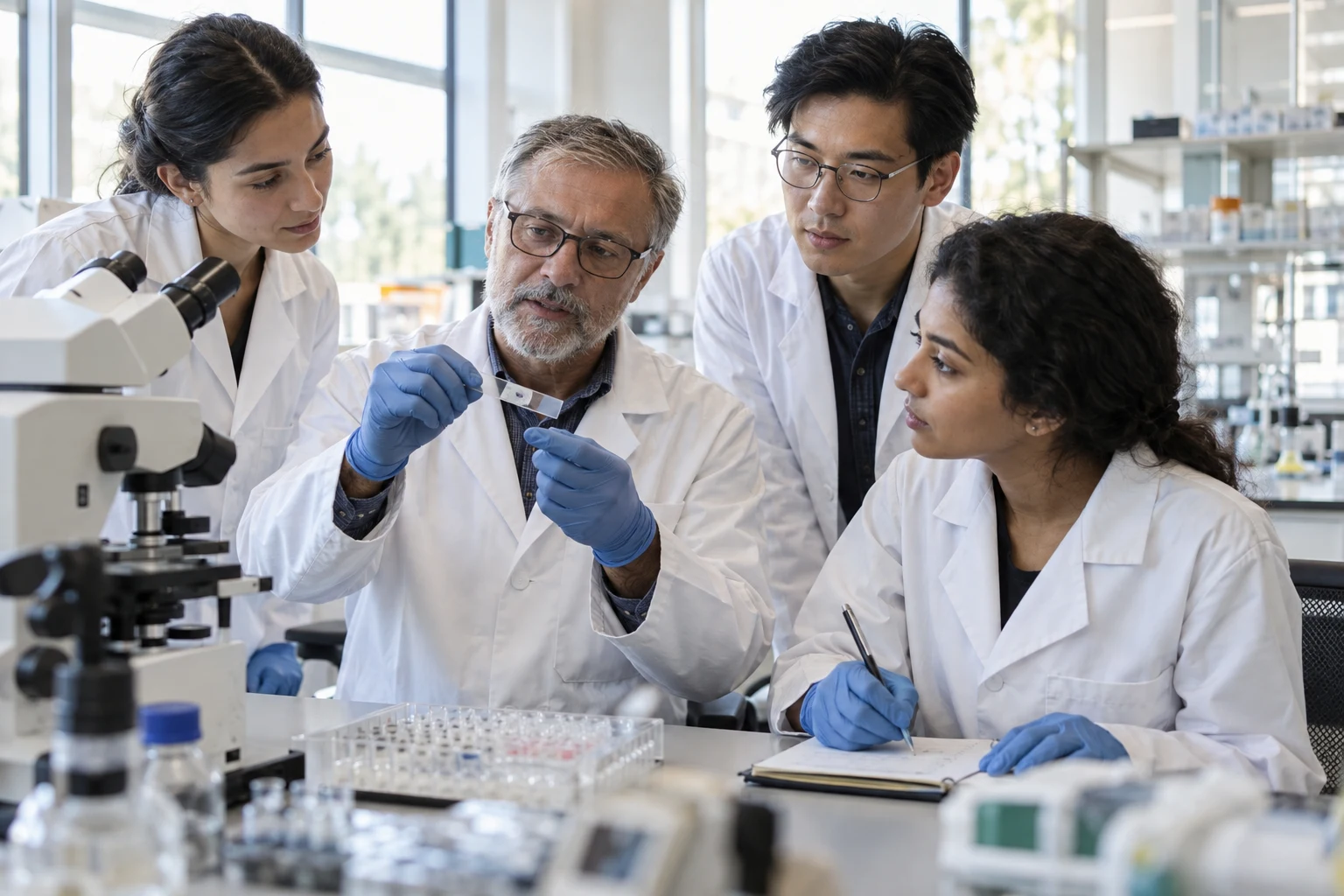
People & care
Research for everyday life with diabetes.
We are designing for people living with diabetes, the families beside them and the clinicians who support them.
Understanding should
make life more manageable.
Less repeated information. More useful questions. Clearer conversations with a care team. These are the practical outcomes we want our proposed tools to support.
We intend to measure that usefulness with people, not assume it from a model’s performance.
Care has more
than one form.
Vials, syringes, pens, meters and routine laboratory visits belong in the picture alongside pumps and CGMs. We want our research to reflect that range.
Vials & syringes
An ordinary treatment routine, with its own practical needs and daily decisions.
Insulin pens
A different way of taking insulin, and another experience our proposed tools should account for.
Finger-prick testing
A meter reading is part of a person's story. Continuous sensor data is not a condition for being included.
Routine blood work
Clinic visits and laboratory reports matter for people whose records are collected at intervals.
With a device.
Without a device.
Still part of the picture.
For CGM and pump users, we are exploring how to connect readings with recorded meals, insulin and context.
For people using meters or periodic lab tests, useful support starts with the information actually available. We will not fill the gaps with an invented glucose history.
Illustrated devices are generic concepts. Diabeteris does not currently manufacture or control insulin pumps.
Designed around different needs.
Bring a clearer picture to the conversation.
Proposed tools would organize records, explain reviewed information, capture practical context and help prepare questions for appointments.
Nutrition & daily lifeReview the evidence behind the summary.
A proposed care-team workspace would surface source quality, missing information and candidate patterns so a clinician can inspect and correct them.
Shape a clinical collaborationA signal is a beginning.
Context brings it closer.
Our research asks how meals, activity and recorded treatment context can help explain observations without overstating what they reveal.
A whole life.
Beyond a reading.
At home, at school, at work. Useful research starts by listening to the people living with diabetes.
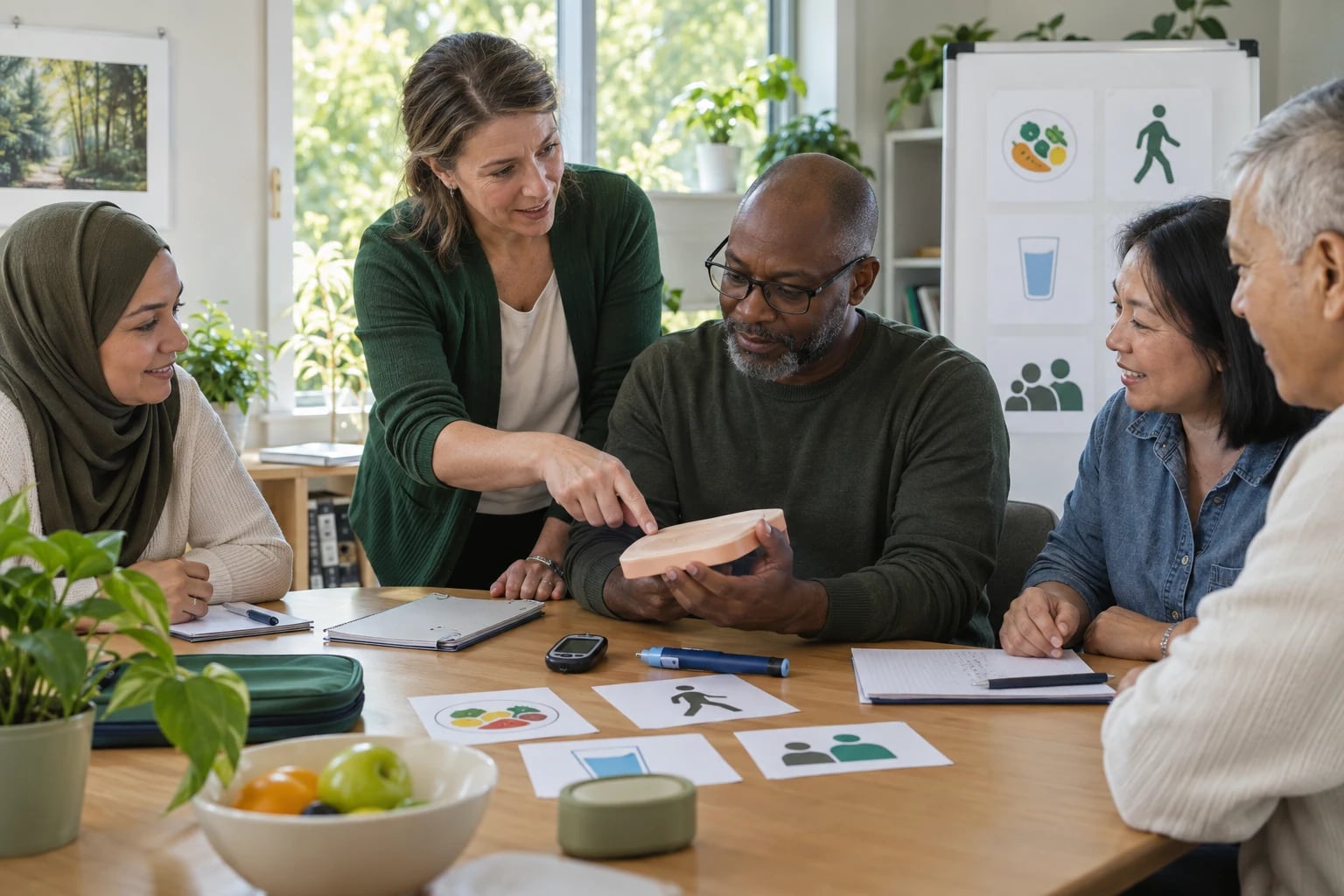
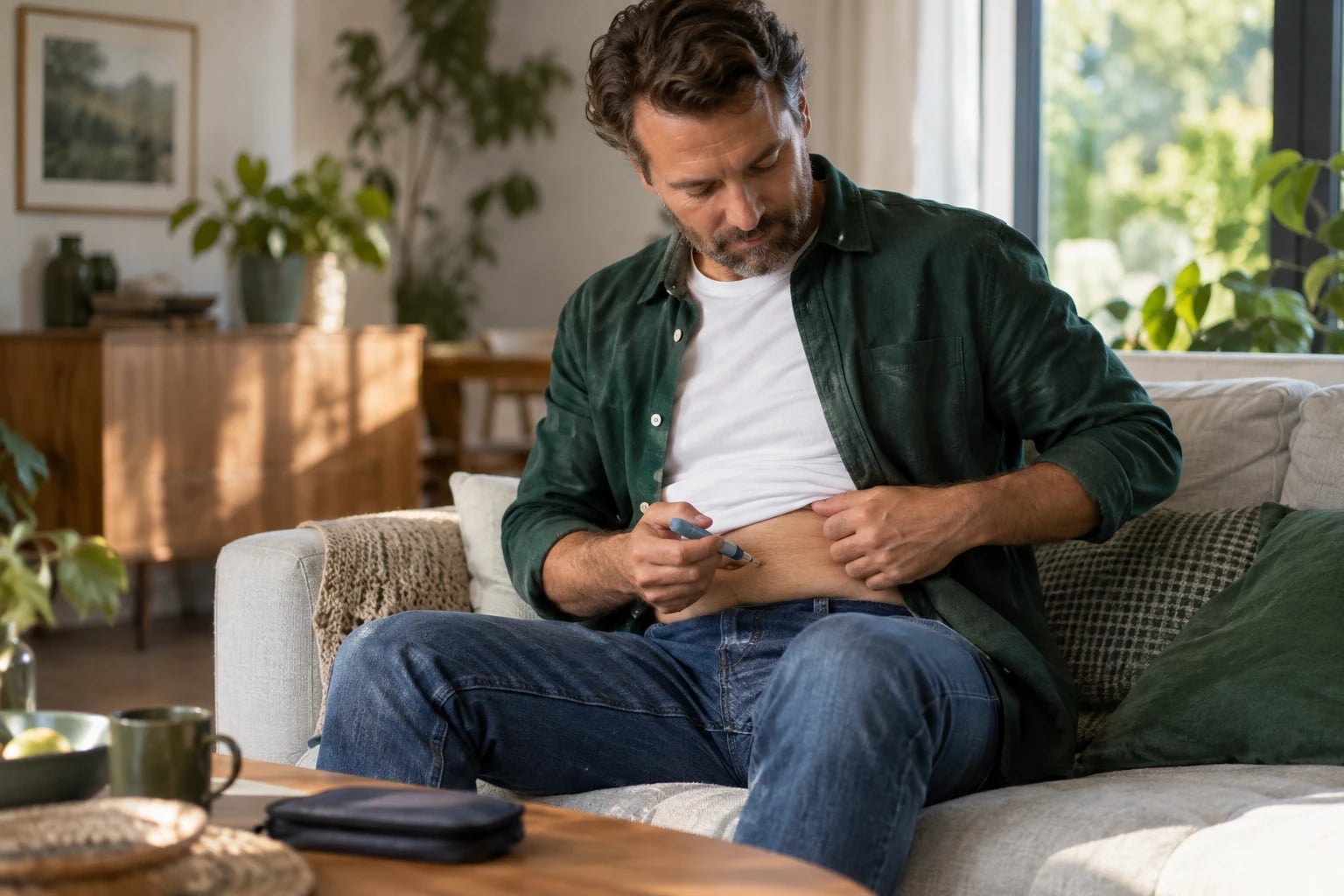
With sensors or meters. Pumps, pens or syringes. Different cultures, different routines, and the same need to be understood.
For people & familiesDifferent places.
People at the center.
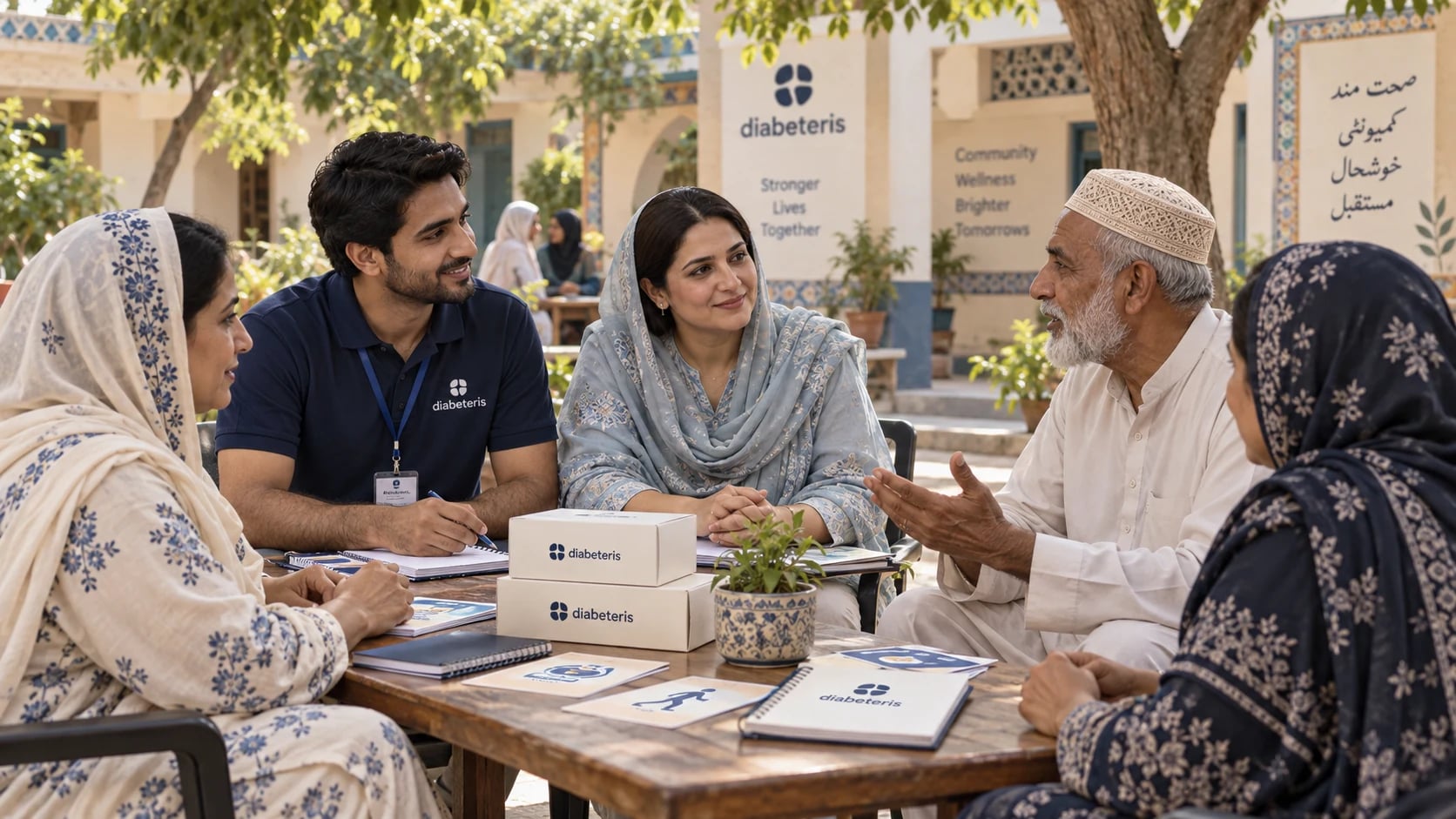
A global ambition begins by listening locally. Language, family life, available tools and the experience of care belong in the research questions.
Pakistan: a conversation around care
Glucose records, family experience and local clinical knowledge belong in the same conversation.
Afghanistan: care shaped around people
Care shaped around language, family support and the resources people can reach.
Access. Understanding.
Someone to turn to.
Our questions must extend beyond devices: medicine availability, understandable guidance, practical training and the support people can actually reach.
When availability becomes the question
Access to medicines belongs in the conversation about everyday diabetes care.
Learning with people
Practical education begins with understandable explanations, qualified clinical review and local context.
The company we are building
The work reaches beyond the lab.
We want people living with diabetes to help shape the questions, the language and the tools. Community organizations and future volunteers could help make that connection possible.
Listen where life happens.
Language, family routines and access shape what useful support looks like. We aim to learn with local communities and qualified care teams, beginning with the questions people want answered.
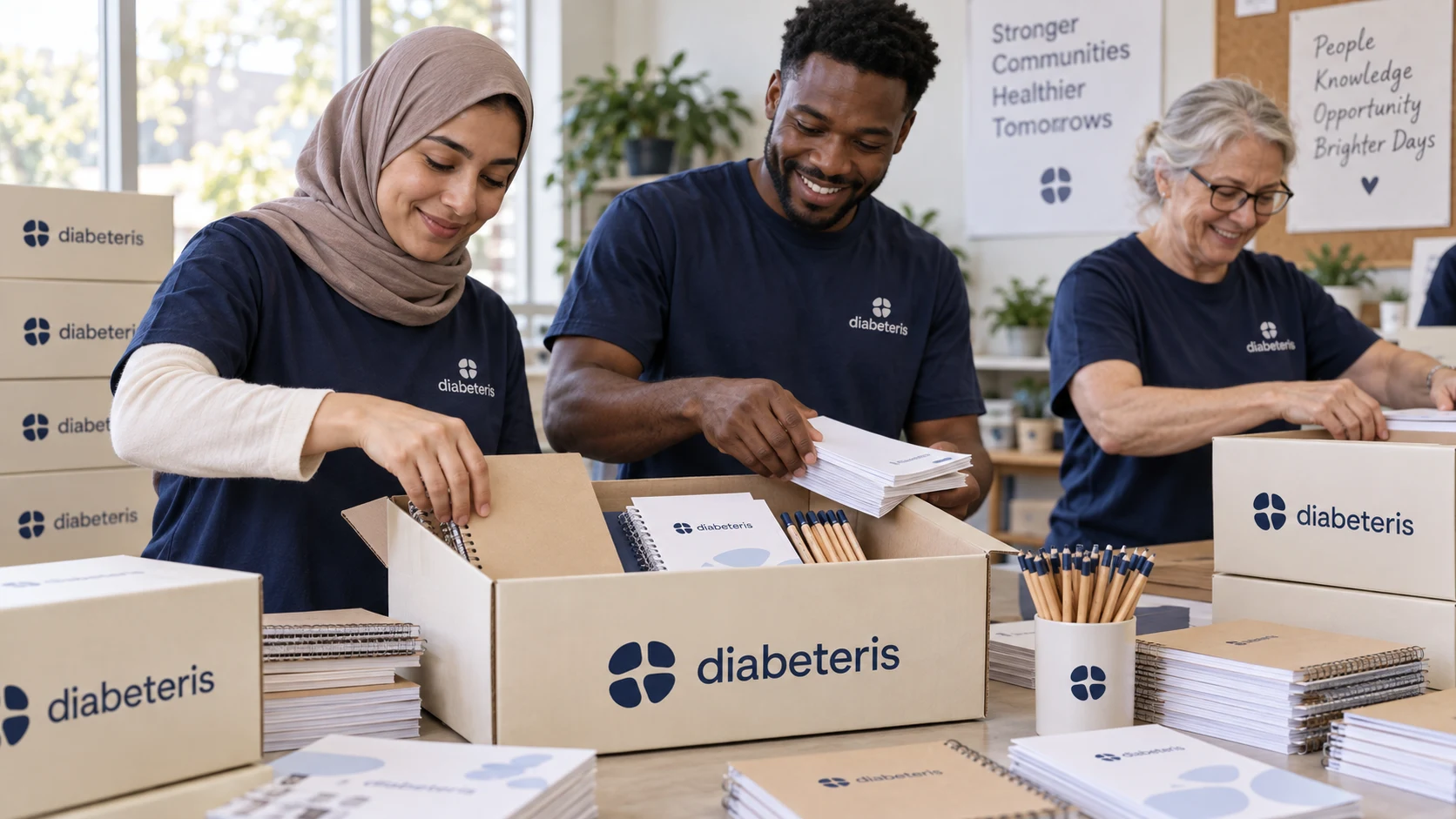
Make knowledge easier to share.
A vision for future volunteer-led education: clear materials, thoughtful conversations and resources developed with the people who would use them.
Scale matters.
So does every life behind it.
Global estimates explain why this work matters. They are not Diabeteris outcomes, a live case count or a prediction about an individual.
- People living with diabetes worldwide, 2022
- 830million
- Adults aged 30+ with diabetes not taking diabetes medication, 2022
- 59%
- Deaths directly caused by diabetes worldwide, 2021
- 1.6million
Source: WHO diabetes fact sheet, 14 November 2024. Populations and reference years differ; these measures should not be added together.
Serious illness needs human care
Clinical teams and family support are central to the experience of serious illness.
Loss is more than a statistic
The human cost of illness reaches families and communities.
A thoughtful approach to families and future health.
Pregnancy, postpartum health and childhood deserve their own expertise, evidence and research pathways.
Earlier understanding
Our adult early-risk program asks whether available information can support useful follow-up. It does not promise a diagnosis years in advance.
Maternal & childhood research
Future family programs would distinguish maternal health, childhood metabolic outcomes, autoimmune risk and monogenic diabetes. They are separate research questions, not one prediction about a child’s future.
Participation should be a choice you understand.
We are not currently enrolling participants through this website. Future studies would have their own eligibility criteria, consent process, research oversight and human support.
Our approach to responsible researchThe foundation behind the work
Data. Models. Scientific understanding.
We are building a shared diabetes evidence library, the Metra model research program and Foundry’s controlled data workflows to support our research and future applications.
Research partnerships
Help build better
diabetes research.
Discuss a study, a data source or a practical need with us.
Contact us